
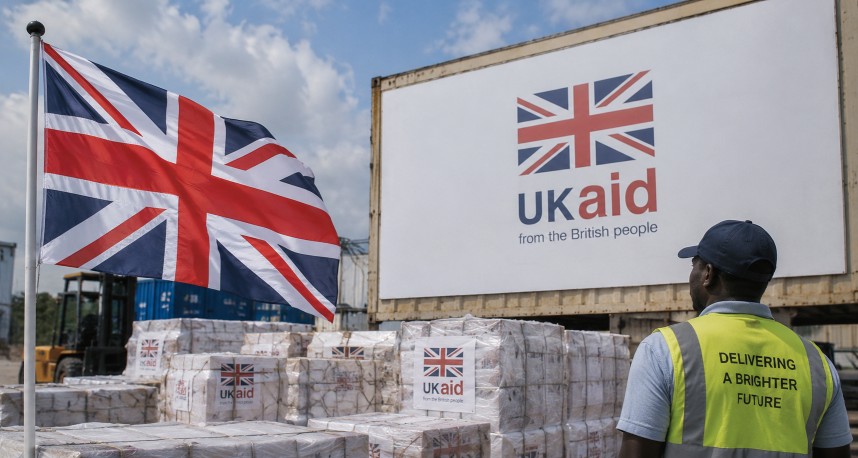
The UK government is planning a major shift in its foreign aid strategy, which will result in significant reductions in bilateral aid to several African nations in the coming years. Official projections indicate that aid to Mozambique and Malawi could be slashed by up to 90% by 2029. Similarly, Rwanda and Sierra Leone are expected to experience cuts of approximately 80%, while Somalia is set to see its aid reduced by nearly 50%.
This realignment in aid policy is part of the UK’s broader approach to redirect more resources through multilateral organizations like the World Bank. The government argues that channeling funds in this manner will enhance the effectiveness of development aid while also allowing for increased investment in defense. This strategy is being promoted as a way to maximize the impact of the UK’s financial contributions to global development.
Despite these assertions, aid organizations have expressed strong concerns about the potential negative impacts of these cuts. They warn that reducing direct aid could jeopardize essential humanitarian programs and efforts aimed at alleviating poverty. Moreover, they fear that communities dealing with conflict, climate change, and health crises might suffer without adequate support. Critics of the policy suggest that less direct engagement could weaken important development partnerships that have been established over the years across Africa.
In response to these criticisms, UK officials have reiterated their commitment to tackling global issues through modernized international partnerships. They emphasize that the goal is to deploy resources where they can be most effective, ensuring that aid continues to address pressing global challenges. This realignment comes at a time when the UK is preparing to play a more prominent role in global economic collaboration, prompting discussions about the future trajectory of its international development policy.