
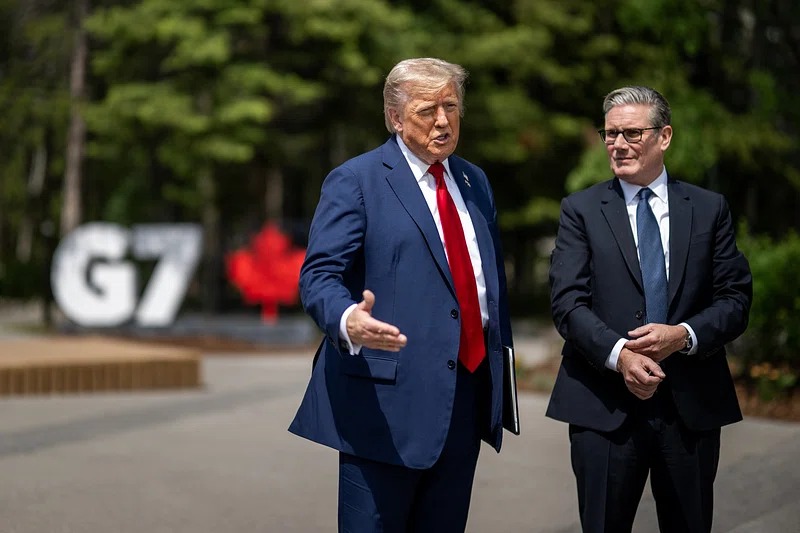
In international relations, as in so many other areas of human activity, the same action can mean very different things depending on when it is taken. Britain learned that lesson in vivid fashion during the Iran conflict, when its eventual cooperation with the United States was met not with gratitude but with a pointed reminder that it had come too late.
The British government’s decision to grant limited access for American bombers to use its military bases came after an initial refusal and a sustained campaign of public pressure from Washington. The permission was framed in defensive terms and linked to the protection of British nationals from Iranian missile threats.
From Britain’s perspective, the eventual cooperation was a meaningful gesture — one that carried real domestic political costs and demonstrated a willingness to accommodate American needs even in a challenging environment. The hope, presumably, was that Washington would recognise those costs and appreciate the gesture accordingly.
Washington’s reaction suggested otherwise. The president dismissed the late offer of cooperation — and the potential aircraft carrier deployment — as unnecessary, since the critical phase of the conflict had already passed. The warning that delays would be remembered was pointed and clearly intended to have lasting effect.
The lesson, for Britain and for other allies watching the episode unfold, was clear: in the current American administration’s calculus, late loyalty is not the same as no loyalty, but it falls far short of the early, unconditional support that Washington increasingly expects from its closest partners.