
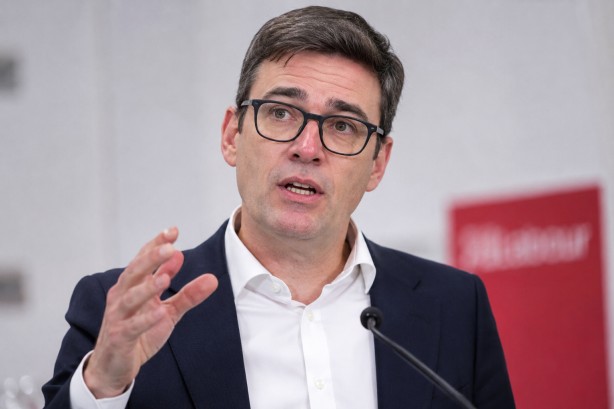
Andy Burnham is set to become the United Kingdom’s next prime minister, with a commitment to healing divisions within the Labour Party. As he steps into his role on Monday, Burnham has pledged to form a cohesive government aimed at addressing pressing national issues such as social care, housing, and the escalating cost of living. He emphasized the significance of this transition, describing it as a pivotal moment for British politics and a crucial opportunity for Labour to implement substantial and lasting changes.
In laying out his agenda, Burnham has advocated for expanding public ownership, boosting the availability of council housing, and overhauling social care systems. Despite these progressive initiatives, he assured that his administration would maintain a supportive stance towards businesses. The incoming prime minister has expressed his intention to prioritize domestic issues and regional development across the United Kingdom once he officially assumes office.
As Burnham prepares to form his cabinet, anticipation surrounds the selection of key positions, especially the role of chancellor. Shabana Mahmood has emerged as a frontrunner for the position, surpassing former Labour leader Ed Miliband in consideration. This potential appointment has stirred discussions within the party, highlighting the challenges of balancing various factions and interests.
Central to Burnham’s vision is the necessity for party unity. He has urged Labour members to set aside internal conflicts to effectively tackle the nation’s economic and social issues. His leadership marks a call for solidarity, as he believes that overcoming factional disputes is essential for the party to fulfill its mandate and serve the public effectively.